
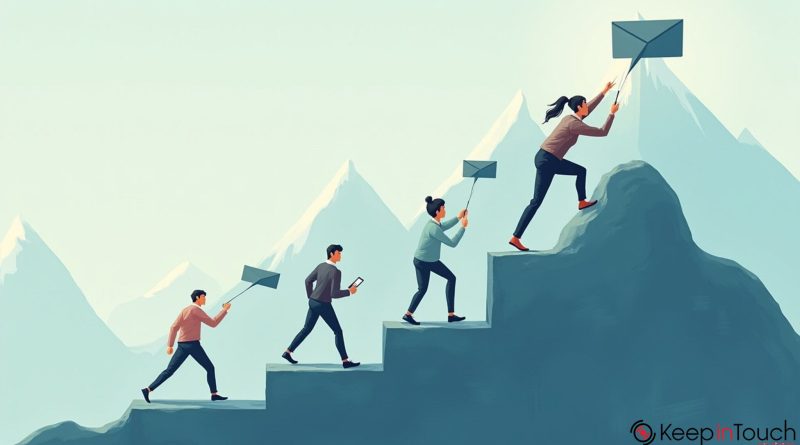
The Power of Skill Development in Professional Growth – Stepping Stones to a Successful Career
Skills are the building blocks of success. They are as crucial as a hammer to a carpenter or a camera to a photographer. As we talk about professional growth and career advancement, skills take center stage. So, how can these skills be developed? How do they contribute to your overall professional growth? Let's delve in to find out.
Understanding Skill Development
Skill development refers to enhancing one's abilities and knowledge to perform better in various professional contexts. It’s about shaping your skills to keep up with the rapid advances in today's modern workplace.
Types of Skills
Skills can be broadly divided into two categories:
- Hard Skills: These skills are specific and teachable abilities that can be defined and measured. For example, knowledge of a foreign language, programming skills, or the ability to operate machinery.
- Soft Skills: Also known as interpersonal or people skills, these relate to the way you relate to and interact with other people. Examples include communication skills, leadership, teamwork, and problem-solving.
Both hard skills and soft skills play an integral part in your professional journey.
Why is Skill Development Important in Your Career?
Focusing on skill development at every stage of your career not only broadens your horizons but also opens up new avenues for professional growth. Here’s why:
- Stay Ahead of the Competition: In a highly competitive job market, having a unique skill set gives you an edge over others.
- Adapt to Change: Skill development enables you to adapt to new and evolving workplace trends.
- Career Advancement: A broader skill set makes you a more valuable employee, increasing chances of promotions and salary hikes.
Career Advice for Skill Development
Now that we understand the importance of skill development, the next crucial step is to know how to develop these skills. Here are some career advice tips to help you along the way:
Continuous Learning
Embrace lifelong learning. Take advantage of online courses, webinars, workshops, and industry conferences to build and improve your skills.
Practice
Applying what you learn is just as important as learning it in the first place. Regular practice helps to solidify your skills and boosts your confidence.
Feedback and Improvement
Seek constructive feedback from mentors, colleagues, or friends. Use this feedback to assess your skill level and identify areas for improvement.
Network
Building connections with other professionals in your field can expose you to new ideas and perspectives. Networking can also lead to opportunities for collaborations and learning.
Professional Growth: The Result of Skill Development
Skill development is the foundation of professional growth. It helps you stay relevant, competitive, and adaptable in your chosen career. The more you invest in your skills, the more you evolve as a professional.
In a Nutshell
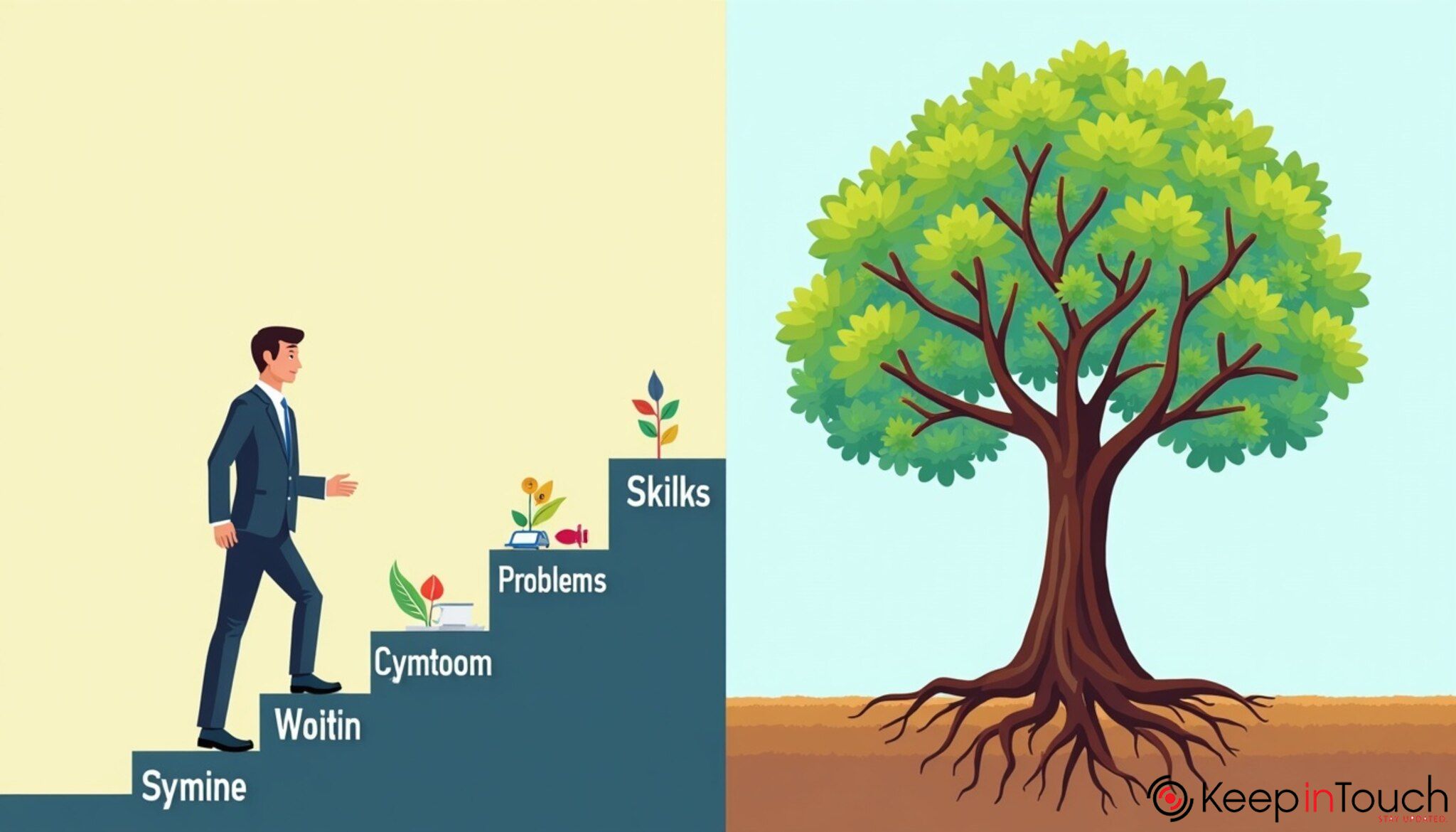
In this ever-evolving job market, skill development is not just an option, it’s a necessity. It’s a journey that shapes you as a professional, prepares you for challenges, and paves the way for a successful career. So, keep learning, keep growing, and remember – the sky is just the beginning!